Before the Baskets Open: Audit Your Beauty Shelf Like a Directory Editor
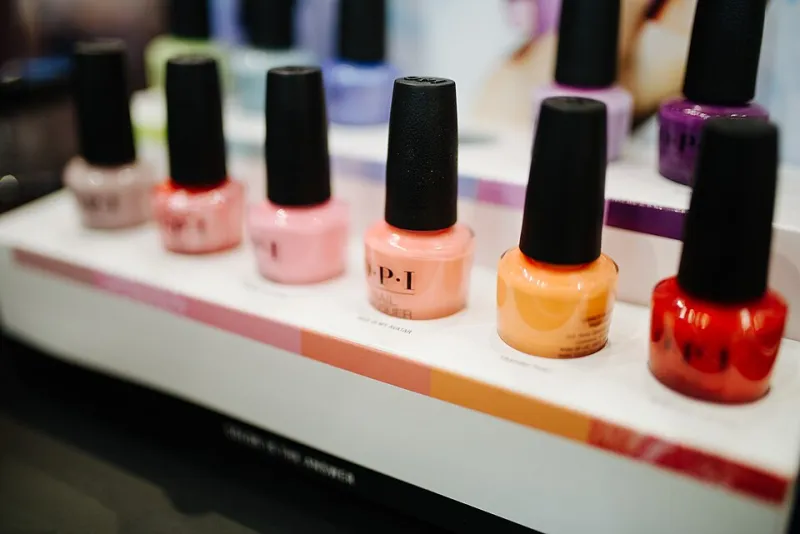
Photo: Shixart1985, CC BY 2.0, via Wikimedia Commons
Every November the beauty internet turns into a jumble sale with better lighting. Black Friday banners start early, email inboxes get loud, and suddenly you are considering a second cleansing balm you do not need because it is 30 per cent off and comes with a free mini. The Beauty Book is a directory, not a deal feed. So before the baskets open in 2026, do the unglamorous thing: audit the shelf you already own.
This is not about minimalism for the sake of it, and it is not about shame. It is about editing. A directory editor does not keep every salon card in the file; they keep the ones that are current, useful and worth recommending. Your beauty shelf deserves the same treatment.
The shelf is the brief
The best Black Friday purchase is often a replacement, not a novelty. But you cannot know what to replace until you know what you have. Most of us are shopping against a mental list that is two years out of date. We remember running out of something, forget that we bought a backup, and then order another one because the discount makes it feel urgent.
So the rule for this November is simple: shelf first, wishlist second, baskets last. Give it twenty minutes. You do not need a spreadsheet, a label maker or a personality change. You need a towel, a bin, a notebook and a bit of honesty.
Do the twenty-minute reset
Clear a table or a section of floor. Put down a towel. Bring your current shelf, not the emergency stash under the bed — that comes later, once you have recovered. Group everything by category: cleansers, exfoliants, serums, moisturisers, SPF, hair, body, fragrance and tools. Seeing four half-used cleansers in one place is more useful than seeing them spread across three rooms.
Now read the packaging. Look for the open-jar symbol, usually a small tub with a number and an M. That is the period after opening, or PAO. A 12M product is meant to be used within 12 months of opening, not 12 months from purchase. Sunscreen is the one to be strict about: if it is past its date or has been cooked on a windowsill, replace it. Mascara is another short-life product; if it is clumpy, dry or months old, let it go. Vitamin C that has turned deep orange, separated serums and anything that smells different from when you bought it should not be kept out of loyalty.
The four piles
Make four piles: keep, replace, rehome and bin.
Keep is for products that are in date, suit your routine and actually get used. Be honest about the last part. A night cream you dislike is not a keeper just because it was expensive.
Replace is for the workhorses you have genuinely finished or are about to finish. This is where Black Friday can be useful. A cleanser, SPF, deodorant or body moisturiser that you already know works is a sensible replacement buy. A trending serum you have never patch-tested is not.
Rehome is for unopened, in-date products that do not suit you. Pass them to a friend or family member who will use them. Do not donate opened creams or used makeup; hygiene rules matter more than good intentions.
Bin is for expired, separated, off-smelling or irritated-skin products. Yes, even the expensive one. The cost was paid when you bought it; keeping it does not get the money back.
Look for duplicates and routine mismatches
Duplicates are easy to spot once everything is in one place. Three clay masks. Four lip oils. Two exfoliating acids opened at the same time. You do not need to use them all at once. Pick one open product per category and put the rest away as backup — or rehome them if they are unopened.
Routine mismatches are subtler. Maybe your skin has become more reactive and the strong acid that suited you two winters ago now feels like a gamble. Maybe you have moved to a hard-water area and your shampoo no longer behaves. Maybe you bought a rich night cream for a colder season and now it sits heavily under SPF. None of that means the product is bad. It means it is no longer your product.
This is also the moment to check your actives. If you already own a retinol, an AHA and a vitamin C, you do not need another version of any of them because a set looks good value. Write down what you have open and what is in backup. That note will save you more money than any discount code.
Turn the audit into a wishlist
Now make the wishlist. Keep it short: five lines maximum. For each line, write the category gap, the product type, your budget, the UK stockist and the reason. For example: SPF — daily fluid for oily skin — under £25 — Boots or Lookfantastic — replacing the one that has separated. That is a disciplined buy. It has a job, a price and a home.
Use UK retailers you can actually access: Boots, Superdrug, Space NK, Cult Beauty, Lookfantastic, John Lewis, Liberty and Sephora UK are all reasonable places to check. But check the ingredient list against what you already own. If your wishlist serum has the same exfoliating acid as the one in your bathroom, it is not a gap; it is a duplicate in waiting.
Look for refills, value sizes and sets only when you will use every item. A set with one full-size hero and three minis you will never touch is not a saving. A refill pouch of a product you already love is. And if you are buying a gift, buy the gift, not an extra lipstick for yourself to hit the free-delivery threshold.
The Black Friday rules
A discount on something you do not need is not a saving. That is the whole sermon. Put a price-watch note in your phone for the five things on your list, and check it once a day rather than scrolling every sale. Beware was-prices that were never really charged, bundles that disguise minis as value, and the quiet pressure of a countdown timer.
Set a budget before you open a single tab. Include delivery and any customs or returns costs. Keep receipts. Check returns policies on opened beauty products, because many retailers will not accept them. And remember that loyalty points are not free money; they are a nudge.
The one-page beauty book page
Finish by writing a single page for your beauty book. Date it 8 November 2026. List the products you kept, the ones you binned, the ones you are replacing and the five wishlist lines. Add the expiry dates you can find. Then book the next audit for February 2027, when the winter shelf has had a proper chance to prove itself.
The directory editor’s approach is not anti-shopping. It is pro-editing. You are not denying yourself the pleasure of a new product; you are making sure the new product has a place to go. When the Black Friday noise starts, your shelf will already have told you what it needs. And sometimes the answer is nothing at all.