Pretty Feed, Real Salon? A Pre-Booking Instagram Audit
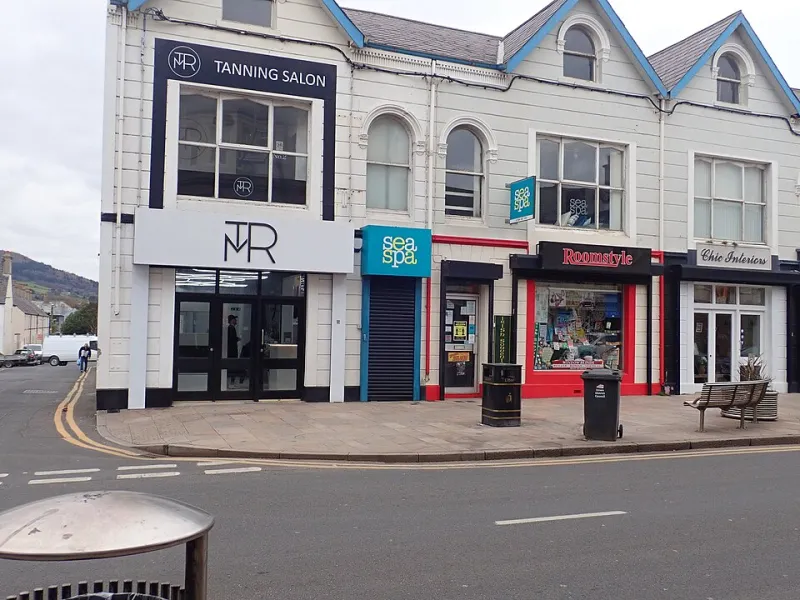
Photo: Eric Jones , CC BY-SA 2.0, via Wikimedia Commons
Instagram is very good at making a salon look like a salon. A grid can show marble bowls, soft-focus balayage and a reception desk that looks like a boutique hotel. What it cannot show, unless you know where to look, is whether the place runs on time, whether the person holding the brush is qualified for the service you want, and whether the price on the screen has any relation to the price at the till. At The Beauty Book, we treat social media as a shop window, not an audit. Before you book, spend twenty minutes doing the checks below. It is less effort than a wasted appointment and far less awkward than leaving mid-service.
Start with the address, not the aesthetic
A real salon has a real door. Check the location tag on posts and stories, then cross-reference it with the address on the salon’s website, Google Business Profile and Companies House if you are checking a limited company. Look for a street view image that matches the interior shots. If the account is mobile-only, that is not automatically a red flag, but the booking page should say so clearly and list the areas covered. A salon that cannot tell you where it is before you book is asking for a lot of trust.
Read the reviews sideways
Do not just count stars. Read the most recent reviews, then read the three-star reviews, then read the replies. Patterns matter more than individual complaints. A single bad review about parking is noise; six reviews mentioning rushed consultations, unexplained upcharges or late starts are a signal. Check Google, Trustpilot and any booking platform such as Fresha or Treatwell. Look for reviews that name the stylist or therapist and the service — those are harder to fake and more useful to you. Be wary of a sudden cluster of five-star reviews with identical phrasing, especially if they all arrive in the same week.
Qualify the qualifications
For hair, look for NVQ Level 2 or 3, VTCT or an equivalent, and check whether the person doing your service is the person whose work is in the feed. For beauty and aesthetics, the alphabet matters: CIBTAC, CIDESCO, VTCT, BABTAC membership and insurance are good starting points. For injectables and other regulated aesthetic treatments, check Save Face registration and the prescriber’s details. A certificate in a highlight is not the same as a qualification for the specific treatment. If the salon cannot tell you who is insured for what, book elsewhere.
Check the price list like a contract
A professional salon publishes prices, or at least a clear starting-from range with the variables explained. Look for whether a consultation is included, whether a patch test is required, what the deposit covers and what happens if you need to cancel. DMs-only pricing is not a personality quirk; it is a barrier to informed consent. The same goes for vague service names such as ‘luxury facial’ with no indication of time, products or technique. You are allowed to ask what is included before you pay a deposit.
Watch how the content is made
Before-and-after photos should be lit the same way, shot from the same angle and free of heavy filtering. Look for process shots, not just finished looks: colour bowls, foils, patch tests, clean tools and a readable caption. A salon that credits its team, reposts client photos with permission and shows its actual space is usually more accountable than one that posts only polished transformations. Stories and highlights are useful here because they are less curated. If every image looks like a stock photo, ask why.
The red flags a pretty grid can hide
No address or geo-tag. No prices. No named practitioners. Qualifications mentioned only as ‘certified’ with no body or level. Before-and-after images that change lighting, background or hair texture between shots. Every review is five stars and written in the same voice. No consultation offered before a major colour or aesthetic treatment. Patch tests dismissed as unnecessary. A booking process that pushes you to pay a deposit before you can ask a question. Aggressive upselling in the DMs before you have even sat down. None of these is proof of a bad salon on its own, but three or more together should slow you down.
A five-minute directory checklist
Before you book, check the following: a verifiable address and map listing; recent reviews across more than one platform; named practitioners and their qualifications; a published price list with deposit and cancellation terms; clear patch-test and consultation policies; before-and-after images with consistent lighting; evidence of insurance for the treatment you want; and a booking route that lets you ask questions without pressure. If the salon passes those checks, the grid can go back to being what it is: a nice shop window. The real test is the appointment itself, and that is where your beauty book starts keeping notes.