The Quiet Swap: How to Re-Test a Beloved Beauty Buy Without Wasting a Penny
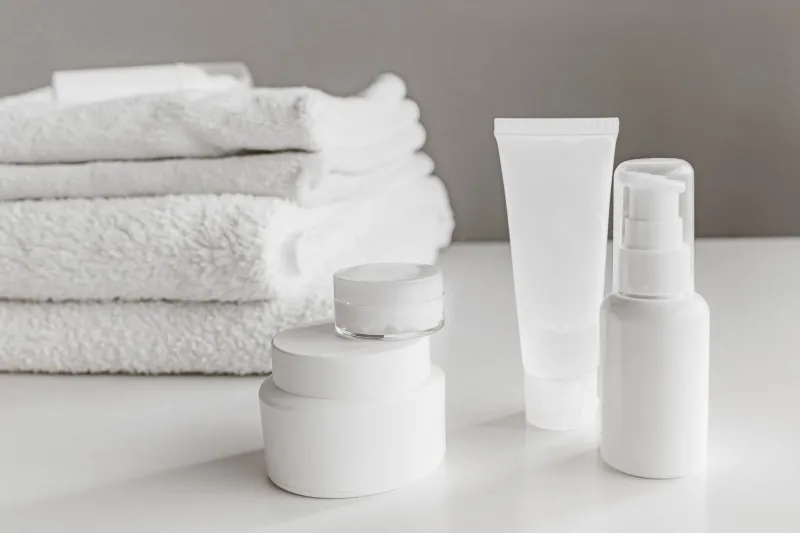
Reformulations rarely arrive with a brass band. More often, a favourite moisturiser simply starts feeling a little thinner, a cleanser smells sharper, or a serum that once sank in without fuss begins to pill under makeup. You blame the weather, your routine, maybe the central heating. Then you check the base of the bottle and notice a batch code that does not match the one you scribbled down months ago.
That is the quiet swap. It does not always mean the product is worse. It does mean your beauty book deserves an update before you mindlessly re-buy.
The first sniff of trouble
A reformulation can show up in small, unglamorous ways. The texture may split, feel grainier or turn more gel-like. The scent might be flatter, more floral or faintly plasticky. A product that used to disappear under SPF may suddenly ball up. You might notice a quicker tingle, a different colour, or a pump that dispenses a thinner liquid.
None of these proves a formula change on its own. Packaging refreshes, storage conditions and even the age of your own bottle can muddy the picture. That is why the first move is not to panic-buy a replacement or bin the old one. It is to gather evidence.
Step one: check the paper trail
Start with the packaging you still have. Compare the new bottle with the old one if it is in the recycling bin, or with photos you took for your beauty book. Look at the batch code, usually stamped on the base, crimp or back label. Note the ingredient list, especially the order of the first few ingredients and any preservatives, fragrance markers or active ingredients that seem to have moved.
Brand websites and retailer product pages are useful here, but they can lag behind what is actually on shelf. If the online list and the box in your hand disagree, trust the box. A quick email to customer service asking whether the formula has changed in 2026 is perfectly reasonable. Keep it short: product name, shade or size, batch code, where and when you bought it, and the specific difference you have noticed.
Step two: run a controlled retest
Do not test a new formula on a busy morning when you are already layered in acids, retinoids and a new SPF. Isolate it. Pause other new products for a week so you can read the signal clearly.
First, patch test. Apply a small amount to the inner forearm or behind the ear and leave it for 24 to 48 hours. If you have known sensitivities, be extra cautious. If there is itching, redness, swelling or a burning sensation, stop and treat it as a reaction, not a beauty mystery.
Next, use the product on half your face or on one dedicated area for five to seven days. Keep the rest of your routine boring and familiar. Take a photo in the same light each morning. Note how it spreads, how quickly it absorbs, whether it sits under makeup, and how your skin feels by mid-afternoon. If you are testing a shampoo or body product, use it alone for a few washes and skip the usual follow-up mask or oil.
Finally, compare the new notes with the old ones. This is where your beauty book earns its keep. A product that felt cooling in June may feel different in November, so try to compare like with like. If you have no old notes, describe the new formula plainly: texture, scent, finish, any sting, any pilling. Plain notes are more useful than poetic ones.
Step three: decide before you re-buy
There are three sensible outcomes. The first is that the formula still works for you. Update the page with the new batch code and a short note: re-tested November 2026, no issue. The second is that it is different but usable, maybe better under makeup or gentler than before. Note the change and keep it on probation. The third is that it no longer suits your skin, scalp or routine. That is not a failure. It is a directory edit.
Do not let a changed formula trigger an automatic repurchase just because the name is familiar. Familiarity is not the same as suitability. If the new version irritates you or feels unpleasant, stop using it. If you are mid-bottle and unsure, keep the old empty for comparison and write a clear warning line in your beauty book before you shop again.
Using UK returns without the drama
If you bought online, check the retailer’s returns policy before you open the next bottle. Under UK distance-selling rules, there is normally a 14-day cancellation window from delivery, but sealed cosmetics can be exempt once unsealed for hygiene reasons. That means change-of-mind returns are often limited for opened beauty products. Faulty or not-as-described items are a different matter under the Consumer Rights Act 2015.
If you suspect a formula change has caused a reaction or the product is genuinely unusable, contact customer service rather than simply turning up at the counter. Have your order number, batch code, photos of the packaging and a short description ready. Ask what they can offer: a refund, a replacement, a return label or a credit. Be polite and specific. A calm email with evidence tends to travel further than a furious paragraph posted at midnight.
In-store policies vary. Some pharmacies and beauty halls will accept unopened returns with a receipt; many will not accept opened cosmetics unless there is a fault. Ask before you buy if you are trying a reformulated version for the first time. It is a dull question that saves real money.
The beauty book annotation that saves money
Your beauty book should not read like a courtroom. A light touch works best. Use a warning flag rather than crossing the product out entirely. Something like: formula watch, new batch, scent sharper, retest 7 days, do not repurchase until skin settles. Add the date and the batch code. If it fails the retest, write the reason in plain words: pilling under SPF, tightness by lunch, scalp itch after two washes.
That note is more valuable than a star rating. It tells future you what changed and why you paused. It also stops the same disappointing bottle from coming home again because the packaging looked reassuring on a Tuesday afternoon.
Reformulations are part of buying beauty. Products move, factories change, regulations shift and brands tweak. The useful response is not outrage or blind loyalty. It is a short paper trail, a controlled retest and an honest line in your beauty book. A changed formula should earn a warning note, not an automatic repurchase.