Reflected Standards: A Five-Minute Mirror Audit for UK Salons
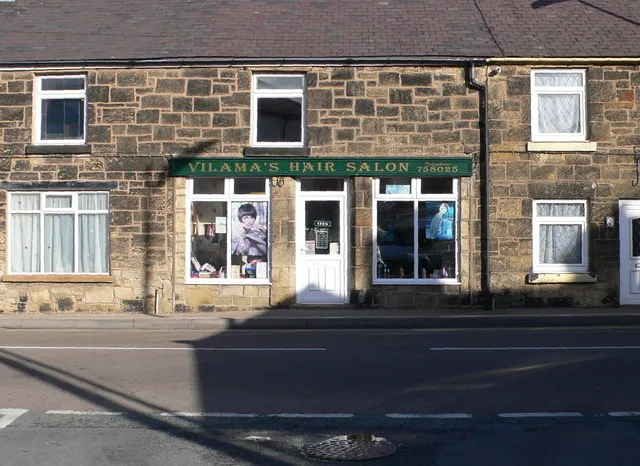
Photo: Eirian Evans, CC BY-SA 2.0, via Wikimedia Commons
There is a particular kind of confidence that arrives when a salon mirror makes you look rested, golden and generally more expensive than you felt on the bus over. It is lovely. It is also worth interrogating. A mirror is not a neutral object in a salon; it is part of the service, and the way it is lit, placed and angled will shape what you think of the cut, the colour and the person holding the scissors.
This is not about being cynical before you have even taken your coat off. It is about a five-minute audit that sits somewhere between browsing and booking. You are not judging the décor. You are reading the room for clues about how honestly it will show you the result.
Why the Glass Earns a Second Look
Most of us scan a salon for the obvious things: whether the chairs look comfortable, whether the reception desk feels chaotic, whether there is a dog. The mirrors tend to blend into the background. But in a UK salon, the mirror is often doing more work than the signage. It is the first place you will see the back of your head, the last place you will check your fringe before you leave, and the surface against which every colour decision will be reviewed.
A quick visual audit is not a substitute for a consultation. It is a filter. If the glass and lighting look like they are designed to flatter rather than inform, you can ask better questions before the foils go on. If they look honest, you can relax a little. Either way, you leave with something more useful than a vague impression.
Flattering Bulbs vs Honest Daylight
The first thing to clock is the light source. Warm, low bulbs around a mirror can make everyone look like they have just returned from a week in Cornwall. That is not automatically a red flag — atmosphere matters — but it is a warning against making final judgements in that chair alone. If the salon has no visible daylight and no cooler light near the colour station, ask where you can see the finished result in neutral light. A good salon will have an answer, even if it is simply walking you to the front window.
Honest daylight is not always kind, but it is useful. Look for mirrors that sit near windows without being blasted by direct sun, or lighting that mimics daylight rather than candlelight. If every bulb in the room is a soft amber glow, the colour you approve in the chair may look quite different on the 07:42 to Waterloo. That is not a reason to cancel. It is a reason to book a daylight check into your own aftercare.
The Colour Chair Mirror Is the One That Counts
The mirror in the waiting area is a mood board. The mirror in the colour chair is the working document. If you are there for balayage, highlights or a gloss, pay attention to how close the mirror sits, whether it can be tilted, and whether you can see the back of your head without playing Twister. A mirror that only shows the front is fine for a blow-dry; it is less helpful when you are deciding whether the toner has gone too ashy at the roots.
Look, too, at what is reflected behind you. If the mirror throws back a cluttered shelf of product boxes, you will spend the appointment distracted. If it reflects a window, a plain wall or a well-placed plant, the chair will feel calmer and the result easier to read. Small thing, but the beauty book is built on small things.
Chair Angle, Distance and the Dreaded Downlight
Mirrors do not work alone. The angle of the chair matters. If you are seated so far back that you need to squint, you will not be able to give useful feedback during the appointment. If the chair is angled away from the mirror, you may only see the final result in a rushed reveal at the end. Neither is a disaster, but both are worth noticing.
Then there are downlights. A harsh spotlight directly above the colour chair can make roots look hotter than they are and shadows under the eyes look deeper. It can also make a toner look cooler than it will in daylight. If the lighting is intense, ask for a hand mirror and a second look near the window before you sign off. A stylist who welcomes that request is a stylist who trusts the work.
What to Note in Your Beauty Book
This is where the audit becomes useful beyond the appointment. In your beauty book — whether that is a notes app, a paper notebook or the back of an old envelope — add a line under the salon’s entry: “Mirror honest? Daylight check available? Colour chair lighting warm or cool?” It sounds fussy. It is not. The next time you book, you will know whether to ask for a specific chair, a window check or simply more time at the end.
You can also note how the mirror made you feel. Did you leave thinking the colour was excellent, or did you leave thinking you looked excellent in that particular light? The distinction matters. A salon that can show you both is one that earns a permanent page.
A Quick Checklist Before You Book
Five minutes, no clipboard required. Scan the waiting-area mirror for atmosphere and the colour-chair mirror for function. Check whether daylight reaches either one. Note the bulb warmth and any downlights. Sit in the chair if you can — or watch someone else sit in it — and see whether the back of the head is visible. Ask, casually, where clients check their colour in daylight. If the answer is vague, file it away. If the answer is specific, that is a good sign.
The mirror will never tell you everything. It will not reveal whether the salon runs late, whether the patch test is thorough or whether the coffee is any good. But it will tell you how honestly the room is prepared to show you the result. In a beauty book built on repeat visits, that is worth a page.