The Two-Expert Rule: When a Second Salon Earns a Page
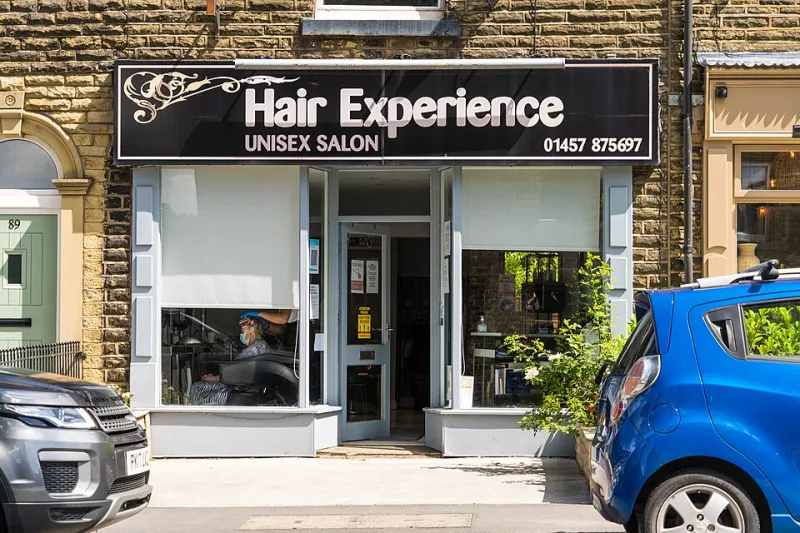
Photo: Claireneon, CC BY-SA 4.0, via Wikimedia Commons
There is a certain comfort in the one-salon habit. You walk in, someone knows your usual, and the diary entry takes thirty seconds to make. But a beauty book is not a loyalty card. It is a working document, and sometimes the most useful edit is admitting that one head can reasonably need two experts.
The trick is not to collect addresses like fridge magnets. It is to know when splitting your appointments solves a problem — and when it simply adds train fares, repeated explanations and a diary that looks like a small logistics operation.
The comfort of one chair — and where it starts to chafe
A single salon is brilliant when the work overlaps. A cutter who understands how your colour sits, a colourist who knows your fringe grows forward, a therapist who can see how your skin reacted last time: that continuity is worth protecting. It saves you from becoming your own case file.
But specialisms are real. A brilliant precision cutter may not be the person you want for a complex blonding correction. A brow specialist may do one thing exquisitely and very little else. A curly-cutting expert may work in a studio with no colour sink at all. None of this is a criticism of your regular salon. It is just the difference between a good generalist and a genuine specialist.
The question is whether that difference is big enough to justify a second page in your book.
The hidden invoice of chair-hopping
The obvious costs are easy to spot: the second deposit, the extra travel, the appointment that eats a Saturday morning. The less obvious ones are the ones that make a split feel messy.
First, there is the briefing tax. Every new chair needs context: what was done last time, what you liked, what you did not, which products your scalp tolerates, how your hair behaves in Manchester drizzle versus a Greek holiday. If you are repeating that story at two addresses, you need a system.
Second, there is the timing gap. Colour and cut do not always need to happen on the same day, but splitting them can stretch a single maintenance cycle into two trips. In 2026, with deposits and cancellation windows being what they are, a missed slot at one address can knock on to the other.
Third, there is the risk of conflicting advice. One expert says wait three weeks before colour; another says the cut should settle first. Both may be right in their own frame. You are the one left holding two sets of instructions.
And fourth, there is the quiet cost of divided attention. Two salons mean two sets of reminders, two product recommendations, two versions of “what are we doing today?” That is fine if the benefit is clear. It is expensive if you are only doing it out of curiosity.
When a split genuinely earns its keep
The strongest case for a second address is a skill gap. Not a vibe gap, not a “this place looks good on Instagram” gap. A real, specific thing that your main salon either cannot do or has openly told you it does not do.
Examples that tend to justify the split:
- You need a technical colour correction and your regular cutter has said, plainly, that it is outside their wheelhouse.
- You have curly or textured hair and the best cut for your pattern lives at a specialist studio that does not offer the colour you want.
- You see a therapist for a specific facial or lash treatment that your hair salon does not provide, and the results depend on continuity.
- Your main salon’s waitlist is so long that basic maintenance becomes impossible between bigger appointments.
- The second address is genuinely easy to reach — one bus, one short walk, not a heroic cross-city mission.
Notice what is not on that list: boredom, a discounted first visit, or the lure of a new salon’s opening offer. Those can be fun, but they rarely deserve a permanent page.
How to brief two experts without repeating yourself
The simplest fix is a one-page beauty note on your phone. Not a novel. A note with four sections: what you have had done in the last twelve months, products currently in use, any sensitivities or allergies, and what you want next. Add a couple of photos taken in daylight, from the same angles each time. It takes ten minutes to set up and saves the same conversation at every appointment.
When you book, ask each expert for a short handover line. For colour, that might be the formula or the general approach. For a cut, it might be the shape and the shortest layer. You do not need the full technical file; you need enough for the next person to understand the plan. If a salon will not share a formula, ask them to note it on your record and tell you the practical version: “we are growing the fringe out, not squaring it off.”
Then resist over-briefing. The point of a specialist is that they can read the hair, skin or brows in front of them. Give them the context, not a script.
The second-address test
Before a new salon becomes a permanent page, run this five-question check:
- Does this person do something my main salon cannot or will not do?
- Is the total cost — travel, time, deposit, parking — still worth the result?
- Can I brief them in under five minutes using my note?
- Does this split make my diary simpler, or more fragile?
- Would I rebook at full price, without an introductory offer?
Three or more yeses, and the second address is probably earning its page. Fewer than that, and it may be a one-off experiment rather than a permanent entry.
The edited book, not the crowded one
The Beauty Book approach is not about loyalty for its own sake. It is about keeping a short, useful list of places that genuinely improve the way you look and feel. Sometimes that list has one salon at the centre. Sometimes it has a cutter, a colourist and a brow specialist, each doing the part they do best.
The test is not whether splitting feels adventurous. It is whether it makes the whole appointment easier to manage, easier to repeat and easier to recommend. If it does, give the second chair a page. If it does not, enjoy the experiment and leave the book as it was.