The Voucher That Earns Its Keep: Buying a UK Salon Gift Without the Dust
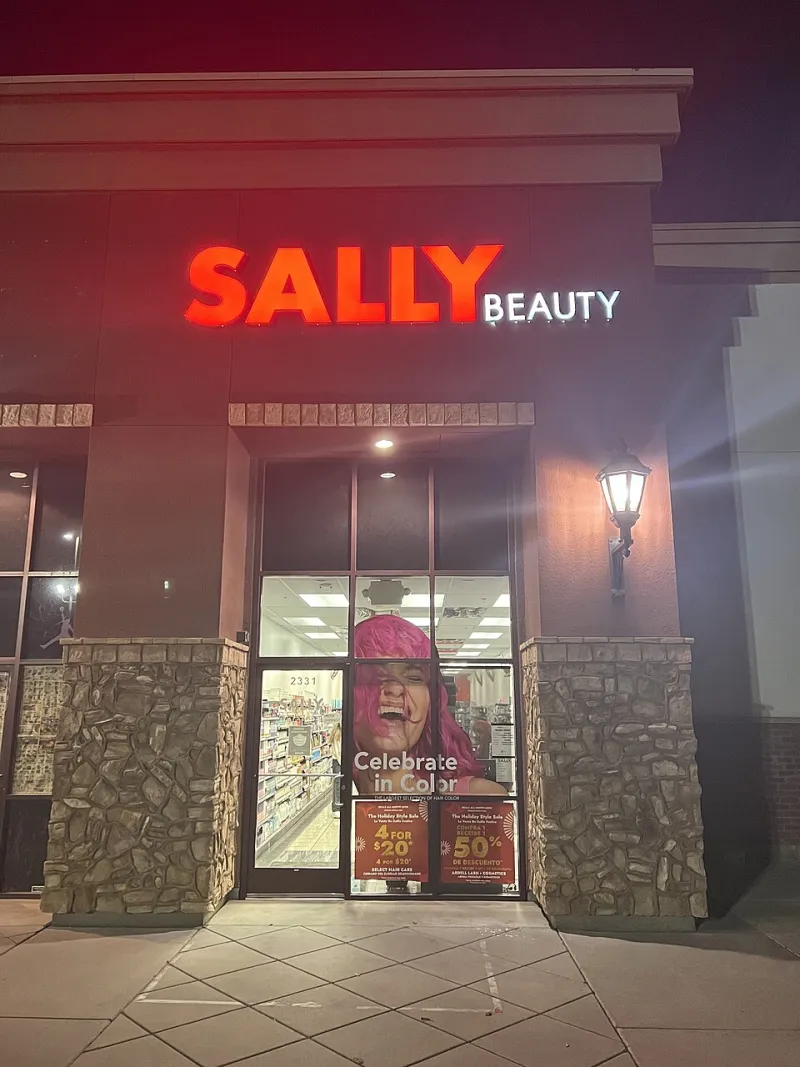
Photo: TaurusEmerald, CC BY-SA 4.0, via Wikimedia Commons
Gift vouchers are one of the easiest presents to buy badly. You pick a salon you love, choose a sensible round number, hand over your card, and feel virtuous. The recipient smiles. Then the voucher goes into a purse, a drawer or an email folder, and quietly gathers dust until the expiry date starts waving from the back of the queue.
The problem is rarely generosity. It is mismatch. A good salon voucher is not a promise; it is a plan with a bow on it. And in 2026, with more salons selling digital credit, multi-salon cards and treatment-specific vouchers than ever, the difference between a useful gift and an awkward one usually comes down to five minutes of checking.
Start with their beauty book, not yours
It is tempting to gift the salon you would book. But your beauty book is not theirs. Before you choose a voucher, think about what they already pay for: a regular blow-dry, a monthly manicure, a facial every season, a haircut they actually keep up with. If they have a therapist or stylist they trust, the safest and most thoughtful voucher is one for that specific salon — even if it is not the place you would choose.
If they are between salons, or newly moved to a city, an open-value voucher for a reputable local group can work well. Just check how far they would need to travel. A £50 voucher for a salon two train fares away is not really a £50 gift.
The four voucher types you will see on the UK high street
Open-value salon credit. This is the most flexible option: the recipient books whatever they like and spends the balance. It suits regulars and people who know their own beauty book. The catch is usually expiry and partial redemption — some salons let you spend £40 of a £50 voucher and keep the rest, and some do not.
Treatment-specific vouchers. A 60-minute facial, a manicure, a cut and finish. These feel more personal because they name the treat. But they are also the easiest to get wrong. Check whether the recipient can swap the treatment, upgrade it, or use the value against something else if the named service is not right for them.
Multi-salon or app-based vouchers. Useful for people who like choice, or for recipients in a different part of the UK. Read the current salon list carefully. Locations can drop out, booking can carry a small fee, and the voucher may not be accepted at every branch.
Experience vouchers. These often bundle a treatment with extras — a facial and a glass of something, a massage and manicure. They can be lovely, but they usually come with tighter availability, premium-date exclusions and a longer booking lead time. If the recipient is hard to pin down, this is not the one.
The small print worth reading before you pay
You do not need to read like a lawyer. You do need to check the lines that decide whether the voucher gets used.
- Expiry date. Check when the clock starts: on purchase or on first use? A 12-month voucher bought in January is a different gift from one that only activates when booked.
- Transferability. Can the recipient pass it to a friend or family member? Is the name printed on it? If they cannot use it, can someone else?
- Partial redemption. Can they spend part of the balance and keep the remainder? If not, a £50 voucher may force a £50 treatment.
- Booking restrictions. Weekends, evenings, senior stylists and certain courses may be excluded. A voucher that only works on a Tuesday morning is not much use to someone who works office hours.
- Price rises. If the treatment costs more by the time they book, who pays the difference? Ask whether the voucher covers the service or a fixed amount.
- Cancellation and salon closure. If the recipient cancels, is the voucher reinstated? If the salon closes, what happens? Keep the receipt and order email.
- Delivery format. Digital vouchers can be delayed or land in spam. Paper vouchers can be lost. If it is a gift, check whether you can print it or send it directly.
Match the voucher to the person, not the price point
A busy new parent might use a wash and blow-dry far more readily than a 90-minute facial. A skincare enthusiast may prefer a bespoke facial at a salon with a good consultation process. A teenager may be better served by a manicure with a clear age policy than a voucher for a treatment they cannot book alone. Someone with sensitive skin should not be handed a treatment-specific voucher without checking whether a patch test is needed.
This is where the beauty book idea helps. A voucher works best when it slots into a routine the recipient already has, or one they have actively said they want to start. It should not be a test of their taste, or a hint that they need to change it.
When a voucher is the wrong present
If the recipient is loyal to a salon that does not sell vouchers, do not force it. Buy a product from their wish list, or pay towards a service they already book. If you are spending a large amount, check the salon’s refund policy and pay by a method that leaves a clear paper trail. And if you are buying from a small salon, ask how they handle vouchers if the business closes — not because it will happen, but because it is the sort of question that separates a thoughtful gift from an optimistic one.
A five-minute checkout script
Before you pay, ask: Can this be transferred? Can it be split across two visits? Does it cover weekends? What happens if prices change? Who do I contact if the salon closes? A salon that answers these clearly is usually a salon that has thought about its vouchers properly.
The best voucher is specific enough to feel personal and flexible enough to actually be used. Write a short note with the salon name, a suggested treatment and a nudge to book. Choose it as a booking with a bow on it — not as a deadline in an envelope.